Some industries can manage with a broom and a mop, but most cannot. Once a workplace handles food, patients, customers, or daily public foot traffic, the cleaning load passes what any in-house team can handle on its own. The hidden cost of skipping a pro cleaner shows up in failed health inspections, sick staff, lost customers, and damaged equipment that needs early replacement.
This guide breaks down the industries where commercial cleaning is not a nice-to-have but a working part of the business model.
Why Some Industries Cannot Skip Professional Cleaning
The cleaning needs of a business shift with three main factors: how many people pass through the space each day, what kind of dirt or contamination builds up, and what rules the industry must follow for hygiene. A small accounting firm with 10 staff has a low load on all three. A 200-bed hospital with surgical suites, public lobbies, and biohazard waste has a load on every front.
According to the U.S. Bureau of Labor Statistics, the janitorial and building cleaning industry employs over 2.2 million workers across the country, with most of the demand coming from a few key sectors. You can review the full industry data on the BLS occupational handbook page.
Read More: Benefits of Professional Janitorial Services for Offices in NYC
Top Industries That Rely on Commercial Cleaning
The list below covers the sectors where pro cleaning crews are part of the weekly operation, not an occasional add-on.
Healthcare and Medical Facilities
Hospitals, clinics, dental offices, urgent care centers, and outpatient surgical suites top the list. Patients with weak immune systems, blood and bodily fluid handling, and strict CDC and OSHA cleaning standards make this the most demanding sector. A single missed disinfection round on a high-touch surface can lead to a healthcare-associated infection, which costs the facility thousands per case and risks the medical license.
A proper medical office cleaning plan covers exam rooms, waiting areas, restrooms, and equipment surfaces on a daily schedule.
Restaurants and Food Service
Restaurants, cafes, bakeries, and food trucks face a different kind of pressure. The New York City Department of Health and Mental Hygiene runs unannounced inspections, and a single B or C grade in the window can drop weekly sales by 20% or more. Grease buildup in the kitchen, sticky floors, dirty restrooms, and dust under prep tables all show up during a health visit. Pro cleaning covers degreasing, deep floor work, restroom sanitation, and dining room turnover that an end-of-shift staff wipe-down cannot match.
For NYC food service owners, partnering with a restaurant cleaning crew is often the difference between an A grade and a violation.
Schools and Educational Institutions
K-12 schools, daycare centers, universities, and tutoring facilities deal with hundreds of students passing through shared classrooms, libraries, cafeterias, and gyms every day. Cold and flu season can wipe out 15% to 20% of a student body within a week without proper surface disinfection.
Cleaning crews handle classroom desks, door handles, restrooms, lunch areas, and shared electronics on a daily routine to keep absentee rates manageable.
Hotels and Hospitality
A hotel guest who finds hair in the bathtub or dust on the nightstand books a different chain next time. The hospitality industry runs on five-star reviews, and a single cleanliness complaint posted online can hurt bookings for months.
Hotels, motels, short-term rentals, and event venues need daily room turnover, deep weekly carpet care, lobby cleaning, and back-of-house sanitation for kitchens and laundry rooms.
Corporate Offices and Co-Working Spaces
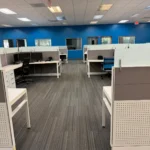
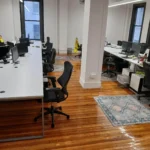
Standard offices, law firms, accounting groups, tech startups, and shared work hubs all rely on regular cleaning to keep the workspace usable. Dust on desks, smudged glass walls, dirty break rooms, and stained carpets drop staff morale and slow productivity over time.
A pro crew handles trash removal, vacuuming, kitchen cleanup, restroom rounds, and conference room turnover on a set schedule that matches the office hours.
Retail Stores and Shopping Centers
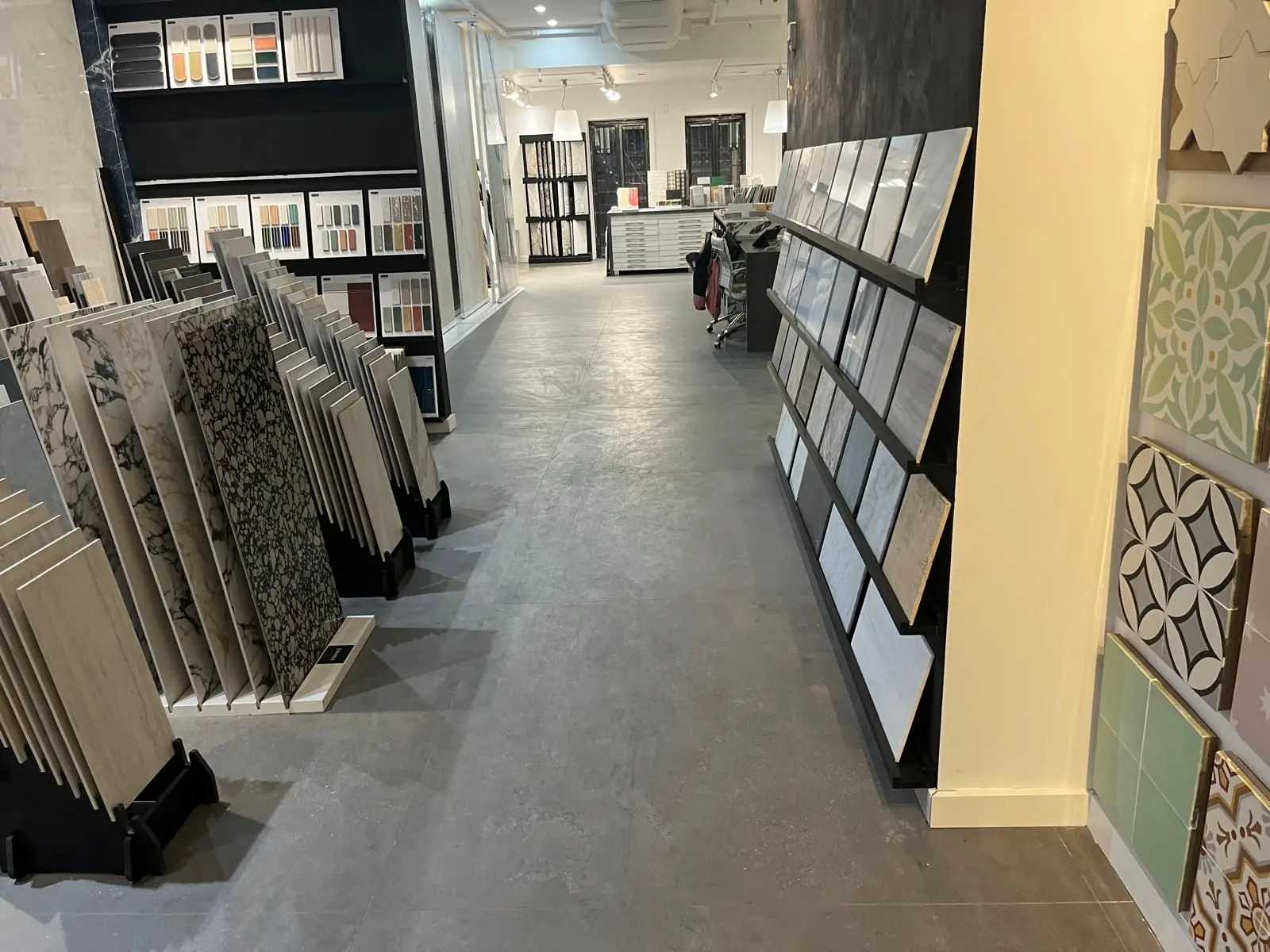
Retail spaces face heavy daily foot traffic that drops dirt, grime, and product residue across the sales floor. A dirty fitting room or a smudged checkout counter pushes shoppers out the door before they buy. Daily sweeping, floor polishing, window cleaning, and restroom upkeep are baseline needs for any store running on weekend traffic.
Mall managers, boutique owners, and big box chains all rely on the same routine to keep the shopping experience clean.
Manufacturing and Warehouses
Factories, distribution centers, and storage warehouses generate a different kind of mess. Industrial dust, oil spills, pallet debris, and equipment grease can build up across thousands of square feet of floor space. OSHA fines for unsafe walking surfaces start at $16,000 per violation, so the cost of skipping floor care adds up fast.
Pro crews bring auto-scrubbers, industrial degreasers, and high-reach equipment to handle the load.
Construction and Post-Construction Sites
New builds, renovations, and tenant improvements end with a thick layer of drywall dust, paint splatter, sawdust, and packaging waste across the space. The construction crew rarely handles the final clean to a move-in standard. Post-construction crews handle the dust removal, window cleaning, floor polishing, and final wipe-down that gets the space ready for the tenant or buyer.
Fitness Centers and Gyms
Gyms, yoga studios, boxing clubs, and dance schools generate sweat, body oil, and bacteria on every shared surface. Without daily disinfection, the equipment becomes a breeding ground for skin infections like ringworm and staph. Member retention drops fast in a gym with a stale smell or sticky equipment on the floor.
Property Management and Apartment Buildings
Building managers handling apartment complexes, condos, and mixed-use properties need lobby cleaning, hallway vacuuming, elevator wipe-down, and shared amenity care across every floor. Tenant complaints climb when shared spaces look neglected, and turnover rates rise with them.
Also Read: Can American Janitorial Services Customize a Cleaning Plan?
What Happens When These Industries Skip Professional Cleaning?
Cutting the cleaning budget feels like a quick saving, but the bill shows up in other ways:
- Failed health or safety inspections that stop business operations
- Higher staff sick days and lower daily output across the team
- Damaged carpets, floors, and equipment from skipped deep cleaning
- Negative online reviews that hurt new customer flow
- Insurance and liability issues from unsafe walking surfaces
- Tenant or member loss at a higher monthly rate than expected
A planned cleaning contract usually costs 0.5% to 1.5% of monthly revenue for most businesses, while the damage from skipping it can run far higher within a single quarter.
Book a Commercial Cleaning Plan Built for Your Industry
A clean facility does not look the same across every industry, and a one-size cleaning routine rarely fits the bill. A restaurant needs a different plan than a medical office, and a warehouse needs a different plan than a co-working space. Letting your in-house team handle a load built for a pro crew leads to gaps that show up in your next inspection, review, or staff complaint thread.
At American Janitorial Services NYC, we handle commercial and office cleaning for medical offices, restaurants, retail stores, schools, hotels, gyms, warehouses, and corporate floors across Manhattan, Brooklyn, Queens, and the Bronx. Reach out and book a walkthrough before the next inspection or review puts your business on notice.