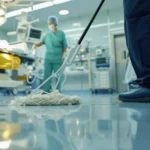
A warehouse can look organized while still holding dust on racks, debris around loading areas, tire marks on floors, spills near work zones, and dirt in corners that regular sweeping misses. Unlike a standard office, an industrial facility may also have forklifts, high shelving, shipping areas, machinery zones, large concrete floors, and operations that continue through multiple shifts.
That is why industrial cleaning in NYC needs to be planned around how the facility operates. Commercial warehouse cleaning can include floor care, dust removal, loading-dock cleaning, warehouse aisle maintenance, trash removal, high-surface cleaning, restroom and break-room service, and periodic deeper cleaning. The exact scope should depend on the building, materials handled, traffic, operating schedule, and safety conditions.
What Does Industrial Cleaning in NYC Include?
Industrial cleaning is a broader form of commercial cleaning intended for facilities where storage, distribution, manufacturing, equipment, or heavy material movement changes the type of soil being generated.
A warehouse cleaning plan may include:
- Sweeping and scrubbing warehouse floors
- Cleaning traffic lanes and aisles
- Removing dust from accessible shelving and horizontal surfaces
- Cleaning loading and receiving areas
- Removing trash and packaging debris
- Cleaning employee restrooms and locker areas
- Cleaning break rooms and administrative areas
- Spot cleaning spills
- Cleaning doors, walls, ledges, and accessible structural surfaces
- Periodic deeper floor treatment
- Cleaning after construction or facility changes
Not every warehouse requires every service.
A distribution center handling boxed retail products has different cleaning conditions from a fabrication facility that creates process dust. The cleaning method should follow the facility rather than applying one standard checklist to every industrial property.
Warehouse Floor Cleaning Is Usually the Largest Part of the Job
Warehouse floors cover a large area and receive constant use.
Forklifts, pallet jacks, carts, employees, deliveries, packaging material, and outdoor dirt can all affect the surface during a normal shift.
OSHA requires workplaces, passageways, storerooms, service rooms, and walking-working surfaces to be kept clean, orderly, and sanitary. Workroom floors must also be maintained in a clean and, as far as feasible, dry condition.
This makes floor care more than an appearance issue.
Loose packaging, spilled material, wet areas, and accumulated debris can interfere with normal movement through an active facility.
Routine floor service may involve sweeping, dust removal, spot treatment, and machine scrubbing where the surface allows it.
Periodic commercial floor cleaning can go further when routine sweeping and mopping no longer remove buildup from concrete, tile, resilient flooring, or other commercial surfaces.
Read More: How Often Should Commercial Floors Be Professionally Cleaned?
Warehouse Aisles and Traffic Lanes Need More Frequent Cleaning
The entire warehouse does not become dirty at the same rate.
Main aisles, picking zones, loading areas, entrances, and packing stations usually receive more traffic than storage sections that employees access only occasionally.
A zone-based cleaning schedule can give these areas more attention without treating every square foot the same way.
For example, a main forklift route may need daily sweeping while a low-use storage aisle receives less frequent detailed cleaning.
This approach can also help facility managers notice changes.
If one aisle suddenly develops more debris, leaking material, or unusual residue, the problem may be connected with operations in that part of the building rather than the cleaning schedule itself.
Loading Dock Cleaning Requires Its Own Warehouse Plan
Loading docks sit between the warehouse and the outdoors.
That means dirt enters from delivery vehicles, pallets, shoes, weather, packaging, and products moving through the area.
Broken stretch wrap, cardboard, pallet fragments, labels, dust, and other debris can collect quickly.
During wet weather, dock areas can also receive water from open doors or items being brought inside.
Cleaning should account for the fact that these areas remain active.
A dock cannot always be closed for a long cleaning process while deliveries are scheduled. Cleaning may need to happen between receiving periods or after shipping activity slows.
The safest schedule is one that fits the loading plan rather than creating another obstacle in a busy work zone.
High Dusting Reaches Areas Routine Warehouse Cleaning Misses
Warehouses contain many horizontal surfaces above normal eye level.
Dust can settle on beams, pipes, ledges, ducts, rack tops, light fixtures, and other accessible structural surfaces.
Because these areas are not part of daily floor cleaning, buildup can remain unnoticed for long periods.
Periodic high dusting can address those surfaces where conditions allow.
The method matters.
Facilities that produce or handle combustible particulate material require much more care than an ordinary warehouse. OSHA states that settled combustible dust should be controlled through an established housekeeping program, and its guidance discusses cleaning frequencies for surfaces such as floors, ducts, pipes, hoods, ledges, and beams.
A normal janitorial crew should not treat an unknown industrial dust as ordinary dirt.
The material and hazard need to be identified first.
Combustible Dust Requires More Than Standard Industrial Cleaning
Some dust can create a fire or explosion hazard when enough fine combustible material accumulates and becomes suspended in air.
OSHA identifies combustible dust hazards in industries involving materials such as wood, food products, metals, chemicals, plastics, rubber, and other combustible solids. Its guidance stresses housekeeping as one part of controlling dangerous accumulation.
This changes how cleaning should be approached.
Methods that create a large airborne dust cloud may be inappropriate in a facility with a combustible-dust hazard. Equipment and procedures also need to suit the material and the facility’s safety program.
Commercial property managers should therefore distinguish between:
Ordinary warehouse dust and debris, which may fit a normal janitorial cleaning program.
Process or combustible dust, which may require an industrial hygiene, engineering, fire-safety, or hazard-control plan beyond ordinary cleaning.
This distinction should be made before work begins.
Spill Cleanup Should Match What Was Spilled
Not every warehouse spill is a janitorial spill.
Water or a nonhazardous beverage in an employee area creates a different response from an unknown chemical or industrial fluid.
OSHA requires hazardous walking-surface conditions to be corrected or guarded before employees use the affected surface again.
The facility should have procedures defining who handles different spills.
A janitorial crew may handle ordinary water, tracked soil, and approved nonhazardous materials within its scope.
Chemical releases, petroleum products, hazardous materials, or other controlled substances may require trained personnel, protective equipment, containment procedures, and disposal methods specified by the facility.
Cleaning teams need to know that boundary before an incident happens.
Packaging and Trash Removal Can Become a Major Warehouse Cleaning Task
Warehouses create different waste from an office.
Cardboard, plastic wrap, labels, damaged boxes, packing material, pallet debris, and shipping supplies can accumulate throughout a shift.
Leaving this material beside workstations or in aisles can make the facility harder to maintain.
A cleaning plan should identify where recyclable and waste materials belong and how often collection points need to be emptied.
High-volume operations may need waste removed several times per day rather than once after closing.
This is also where communication between operations staff and cleaning teams matters.
The janitorial crew should know which materials are waste and which items are inventory, reusable packaging, or equipment.
Industrial Restrooms and Break Rooms Need Standard Janitorial Cleaning Too
Large warehouse floors receive attention, but employee spaces should not be forgotten.
Restrooms, locker areas, lunchrooms, kitchens, offices, and reception areas still require the same basic cleaning found in other commercial properties.
That may include:
- Restroom fixture cleaning
- Floor cleaning
- Trash removal
- Restocking agreed supplies
- Break-room counters and tables
- Sink cleaning
- Touchpoint cleaning
- Office vacuuming or mopping
These spaces often need a different cleaning method from the warehouse floor.
A facility can therefore have several cleaning zones under one maintenance plan.
Warehouse Cleaning Should Work Around Operations
A warehouse may operate five days a week, seven days a week, or through multiple daily shifts.
Cleaning cannot interfere with loading, picking, packing, forklift routes, or employee movement.
This makes timing part of the cleaning plan.
High-traffic facilities may benefit from light maintenance during operating hours followed by more detailed cleaning after activity slows.
Other properties may schedule most work overnight.
Overnight commercial cleaning can be useful when floor machines, cleaning carts, or detailed work would otherwise interfere with warehouse traffic.
The best schedule depends on when the facility has enough access to clean safely.
Post-Construction Cleaning Can Be Important After Warehouse Changes
Warehouses change over time.
New racking may be installed. Offices can be added. Electrical or sprinkler work may occur. Floors can be repaired. A tenant may alter packing or production areas.
Construction can leave fine dust on floors, ledges, racks, walls, and other surfaces beyond the immediate work zone.
Normal nightly cleaning may not be enough to address that type of debris.
A separate post-construction cleaning service can be scheduled before the affected section returns to normal operation.
The scope should still reflect what construction occurred and whether any material requires special handling.
How Often Should a Warehouse Be Professionally Cleaned?
There is no single schedule for every industrial facility.
Cleaning frequency should reflect how quickly each area becomes dirty.
A busy distribution facility may require daily floor and trash service. A smaller storage warehouse with limited staff might need routine service several times per week.
Deeper cleaning can follow another cycle.
A practical schedule might separate tasks like this:
- Daily or each operating shift: main aisles, spills, high-traffic floors, trash areas, restrooms, break rooms.
- Weekly: lower-traffic areas, detailed edge cleaning, selected shelving and surfaces.
- Periodic: machine scrubbing, high dusting, deeper wall and floor cleaning, loading-area detailing.
The facility should review the schedule when traffic, production, inventory, or operating hours change.
Cleaning frequency should respond to conditions rather than remain fixed because the original contract used that schedule.
Also Read: Office Deep Cleaning vs Routine Cleaning: Which Does Your Business Need?
What Should Be Checked Before Hiring Industrial Cleaning Services?
Before requesting a quote, identify what type of facility is being cleaned.
Explain the total square footage, operating hours, floor type, dock activity, employee count, high-traffic areas, waste streams, and any known dust or chemical hazards.
Also clarify which tasks are outside normal janitorial work.
A useful commercial warehouse cleaning scope should answer:
What gets cleaned? How often? During which hours? Which equipment will be used? Who handles spills? Are high surfaces included? Are employee areas included? Are supplies included? Which materials require the facility’s own hazardous-material procedure?
Those answers make competing cleaning proposals easier to compare.
Build Industrial Cleaning in NYC Around the Warehouse, Not a Standard Office Checklist
A warehouse needs more than empty trash cans and clean restrooms. Floors, loading docks, traffic lanes, packaging debris, high surfaces, employee areas, and operating schedules all affect the cleaning plan. Facilities that generate combustible or hazardous material also need those risks separated from normal janitorial cleaning before any crew begins work.
American Janitorial Services NYC provides industrial cleaning in NYC and commercial warehouse cleaning as part of its commercial janitorial services for warehouses and industrial facilities. Its current services also include commercial floor cleaning, building cleaning, post-construction cleaning, and after-hours or overnight cleaning for facilities that need work scheduled around operations. If your warehouse needs a cleaning plan built around floor traffic, loading schedules, employee areas, and periodic deeper work, contact American Janitorial Services NYC to review the facility and define the cleaning scope.