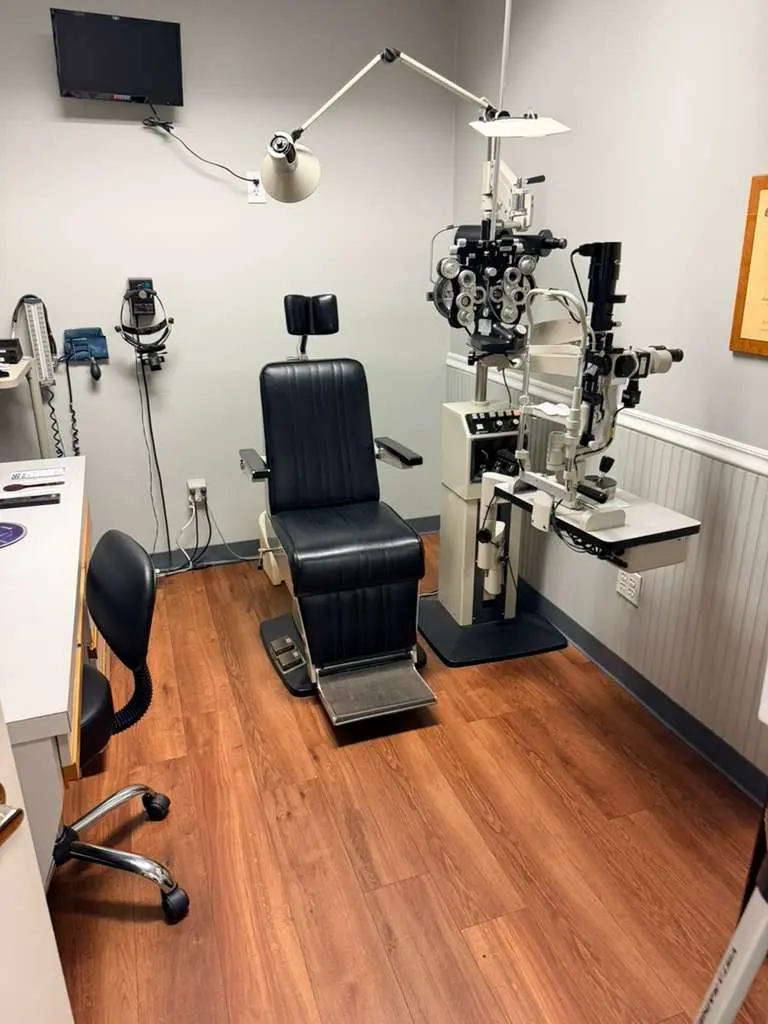
A dental chair can look spotless to the eye, yet the light handle right above it may carry traces of blood and saliva that a quick wipe never reaches. That blind spot is exactly why a dental practice can’t be treated like an ordinary office. Dental offices fall under a stricter rulebook than a corporate suite, one built around infection control, not just appearances and hiring the wrong vendor can quietly turn a routine cleaning into a compliance failure
That’s where partnering with an experienced commercial cleaning company in NYC makes the difference. This guide walks a NYC practice owner through what the hygiene and safety standards actually require, and how to vet a cleaner who can consistently meet them.
Why a Dental Practice Cannot Be Cleaned Like a Regular Office
A dental operatory is a clinical space, and the germs it holds are the kind that spread disease. Blood, saliva, and aerosol from a drill land on chairs, tray handles, light switches, and counters throughout the day. A general janitor with a spray bottle and a cloth is trained to make a room look tidy, not to kill the pathogens a dental setting produces. That difference is where risk hides.
Three federal bodies shape what compliant dental office cleaning has to look like. The CDC sets the infection control guidelines for dentistry. OSHA enforces the Bloodborne Pathogens standard, listed as 29 CFR 1910.1030, which governs how staff handle blood and how they protect themselves. The EPA registers the disinfectants that are allowed on clinical surfaces and defines how they must be used. On top of these, New York State dental board rules add their own layer. A cleaner who does not know these four sources is guessing, and a guess in a clinical space is a liability you carry, not them.
What Do Professional Dental Office Cleaning Services Include?
Professional dental office cleaning goes far beyond emptying trash and mopping floors. A qualified cleaning company follows healthcare cleaning protocols to reduce the risk of cross-contamination while keeping your practice compliant with industry standards.
A complete dental office cleaning service typically includes:
- Cleaning and disinfecting treatment rooms
- Sanitizing high-touch surfaces and reception areas
- Cleaning waiting rooms and restrooms
- Floor cleaning and disinfection
- Glass and window cleaning
- Trash and recycling removal
- Break room and office cleaning
- After-hours or overnight cleaning to avoid disrupting patients
The exact scope depends on your practice size, number of operatories, and patient volume, but every service should prioritize infection prevention and regulatory compliance.
Also Read: Commercial Cleaning Solutions for Medical Offices and Clinics
Dental Office Cleaning vs Standard Office Cleaning
Although both services keep workplaces clean, a dental office requires a much higher level of sanitation than a typical commercial office cleaning.
| Professional Cleaning Company | In-House Staff |
|---|---|
| OSHA-trained cleaners | Limited cleaning training |
| Uses EPA-approved disinfectants | Often uses general-purpose products |
| Follows proper dwell times | May not follow disinfectant instructions |
| Works after business hours | Takes time away from patient care |
| Provides consistent cleaning schedules | Cleaning quality may vary |
Choosing a company experienced in healthcare cleaning helps reduce compliance risks while maintaining a safer environment for patients and staff.
Who Needs Professional Dental Office Cleaning Services?
Professional dental cleaning services benefit any practice where infection prevention is a priority. These services are commonly used by:
- General dental practices
- Pediatric dentists
- Orthodontic offices
- Oral and maxillofacial surgeons
- Cosmetic dentists
- Endodontists and periodontists
- Multi-location dental groups
- Community and specialty dental clinics
Whether you operate a single-chair office or a busy multi-provider practice, professional cleaning helps maintain a hygienic and welcoming environment every day.
The Surfaces That Decide Whether a Cleaning Passes
Not every surface in a dental office carries the same risk, and the CDC splits them into two groups. Getting this split right is the core of a compliant clean.
Clinical contact surfaces are the high-risk ones. These touch patients, gloves, or contaminated instruments, and they include dental chairs, light handles, tray tables, switches, and counters near the chair. They see blood and saliva, so they need protective barriers where possible and a strong disinfection after each patient. Housekeeping surfaces, such as floors, walls, and sinks, carry lower risk and can be cleaned with detergent, then disinfected when blood is visible.
The disinfectant is not a free choice. The CDC calls for an EPA-registered, hospital-grade disinfectant with a tuberculocidal claim on clinical contact surfaces that see blood. Tuberculosis bacteria are among the hardest germs to kill, so a product that defeats them is trusted to handle weaker threats like hepatitis B, hepatitis C, and HIV. That claim ties to EPA List B, and products effective against bloodborne pathogens sit on EPA List S. A cleaner who cannot name the product, show its EPA registration number, or state its dwell time is not doing the job the standard describes.
What Is Dwell Time and Why It Trips Up Vendors
Dwell time is the number of minutes a disinfectant has to stay wet on a surface to actually kill the germs on its label. Wiping a counter and moving on in ten seconds does nothing, since the chemical needs its full contact window to work. Many general cleaners spray and wipe in one motion, which leaves the surface looking clean while the pathogens survive. A compliant dental clean follows the product label to the second, and a serious vendor can document that they did. You can read the CDC’s own guidance on cleaning and disinfecting dental surfaces to see how specific these requirements get.
What OSHA Demands From the Cleaning Crew Itself
The rules do not stop at the products. OSHA’s Bloodborne Pathogens standard covers the people doing the work, and a cleaning crew that enters clinical areas falls under it. This is the part most building-service companies skip, because their staff were never trained for a medical setting.
A compliant crew has several things in place before they touch an operatory:
- Bloodborne pathogen training under OSHA 1910.1030, so every worker understands the risk of blood and saliva exposure.
- Proper PPE for the task, which means gloves and eye and face protection where splashes or aerosols are present.
- A sharps awareness protocol, since a cleaner who reaches into the wrong bin can meet a used needle.
- An exposure control plan on file that spells out what happens if a worker is exposed.
The sharp point carries real weight. A janitor who does not know how a dental office handles regulated waste can suffer a needlestick, and that single event turns into an injury claim, a health scare, and a paperwork storm for the practice. Hiring a crew trained for clinical spaces removes that danger before it starts. The same care applies to any medical office cleaning job, where the exposure rules match those of a dental setting.
Handling Dental Waste the Right Way
A dental practice creates waste that a normal office never sees, and mishandling it breaks both health and environmental rules. Regulated medical waste, sharps, and amalgam are each governed by their own requirements. Amalgam, the material in silver fillings, contains mercury and is considered hazardous, so it cannot go down a drain or into a regular trash bag. A cleaning vendor working in the space has to know what they are allowed to touch and what belongs to the clinical staff.
The dividing line matters for your protection. A cleaner handles the environmental surfaces, the floors, and the general waste, while the practice manages the regulated medical waste and sharps under its own protocol. Confusion here creates exposure and fines, so a clear scope between your team and the cleaning crew keeps both sides safe. A vendor who asks about this split on day one is showing they understand the setting.
How Often a Dental Office Needs Cleaning and Disinfection
Frequency in a dental office runs on a different clock than a standard workplace. Clinical contact surfaces need disinfection between patients, not once at the end of the day, because each patient leaves fresh contamination behind. The clinical team usually handles the between-patient wipe-down, while the professional cleaning crew handles the deeper daily service after the office closes.
That after-hours service covers the floors, the restrooms, the waiting room, the front desk, and a full disinfection of the treatment rooms. Waiting areas matter more than owners expect, since a sick patient in a chair spreads germs to armrests, door handles, and magazines within minutes. A practice with heavy daily foot traffic benefits from a nightly clean, which is why many offices book overnight cleaning so the space is ready and disinfected before the first appointment.
The hard floors in a clinical space also need proper disinfection rather than a quick mop, and dedicated floor cleaning keeps the surfaces that catch spills and aerosol from becoming a reservoir for bacteria.
Does a Dental Office Need a Separate Cleaning Vendor?
You will find that a general building-service contract rarely covers what a dental practice requires. The building cleaner who handles the lobby and the hallways is not trained in OSHA 1910.1030 and does not carry tuberculocidal disinfectants. A practice is far safer with a vendor who understands clinical spaces, either as its main cleaner or as a specialist alongside the building service. Treating the two as the same job is where compliance gaps open.
Professional Cleaning vs In-House Staff
Your clinical staff already have enough responsibilities caring for patients and disinfecting treatment areas between appointments. Asking them to handle deep cleaning after hours often leads to inconsistent results and takes time away from patient care.
Professional cleaning companies bring specialized training, medical-grade disinfectants, and documented cleaning procedures that most in-house teams do not have.
| Dental Office Cleaning | Standard Office Cleaning |
|---|---|
| Follows CDC and OSHA guidance | Focuses on appearance and general cleanliness |
| Uses EPA-registered disinfectants | Uses standard commercial cleaners |
| Disinfects clinical contact surfaces | Cleans desks, floors, and common areas |
| Requires knowledge of bloodborne pathogens | No specialized medical training required |
| Helps support regulatory compliance | Intended for general office maintenance |
How Much Does Dental Office Cleaning Cost in NYC?
Dental office cleaning costs in NYC vary based on the size and needs of your practice. Factors that influence pricing include:
- Office square footage
- Number of operatories
- Frequency of service
- Daily or overnight cleaning
- Required disinfection level
- Floor type and specialty cleaning needs
Practices with higher patient volumes typically require more frequent cleaning than smaller offices. The best approach is to request a customized quote based on your facility and schedule.
What to Require From Your Cleaning Vendor Before You Sign
The cost of hiring the wrong cleaner is not a dirty office. It is a failed inspection, a patient infection, a staff exposure, or a hit to the reputation that keeps your chairs full. A patient who reads about an infection scare does not come back, and word travels fast in a neighborhood practice. Because the stakes are this high, the vendor has to prove they can meet the standard before they start.
Ask for documentation on each of these points, and treat a blank answer as a warning:
- Proof of OSHA bloodborne pathogen training for every worker entering clinical areas.
- The name and EPA registration number of the disinfectants they use, with documented dwell times.
- An exposure control plan and a sharps awareness protocol in writing.
- Evidence of experience in dental or medical settings, not only general offices.
- Insurance that covers clinical-space work.
A vendor who answers these without hesitation is one you can trust with a clinical space. One who fumbles them is telling you they will treat your operatory like a cubicle, and that is the exact mistake that lands a practice in trouble. The same standard of proof applies whether you run a solo practice or a multi-chair group, and it separates a professional commercial cleaning partner from a low-bid risk.
Why Dental Practices Choose American Janitorial Services NYC
Dental practices trust American Janitorial Services NYC because we understand the higher standards healthcare environments demand. Since 2007, we’ve helped New York businesses maintain clean, compliant facilities with trained professionals and dependable service.
Our clients choose us for:
- Experience cleaning medical and dental facilities
- OSHA-aware cleaning procedures
- EPA-registered disinfectants
- Flexible day, night, and weekend scheduling
- Licensed and insured cleaning teams
- Customized cleaning plans for every practice
We focus on helping practices create a safe environment for patients while supporting their daily operations.
Our Dental Office Cleaning Process
Every dental practice has unique cleaning requirements, which is why we tailor our services to each facility.
Our process includes:
- Initial walkthrough and cleaning assessment
- Customized cleaning schedule
- Cleaning and disinfecting high-touch surfaces
- Floor care and restroom sanitation
- Waste removal and common area cleaning
- Final quality inspection before completion
This systematic approach helps ensure consistent cleaning results while minimizing disruption to your staff and patients.
Benefits of Professional Dental Office Cleaning
Hiring a professional dental cleaning company offers more than a cleaner office. It helps support patient safety, staff health, and your practice’s reputation.
Some of the key benefits include:
- Reduces the spread of germs and bacteria
- Supports CDC and OSHA cleaning standards
- Creates a cleaner experience for patients
- Helps maintain a professional appearance
- Extends the life of flooring and office surfaces
- Allows your staff to focus on patient care instead of deep cleaning
- Provides consistent, scheduled cleaning throughout the year
Keep Your Practice Clean, Compliant, and Trusted
Every day your operatory gets a surface-level wipe instead of a compliant disinfection is a day you gamble with a patient infection, a staff needlestick, or a failed inspection that can shut a chair down. The germs in a dental setting do not care whether the room looks tidy, and neither does an OSHA auditor. The fix is a cleaning partner who works to the clinical standard, documents every step, and protects both your patients and your license.
We are American Janitorial Services NYC, a commercial cleaning company serving New York practices and facilities since 2007, with over 3,500 projects completed and a team trained to handle clinical spaces the right way. Our crews use EPA-registered disinfectants, follow proper dwell times, and work around your schedule with daily, nightly, and same-day plans, along with eco-friendly products that stay safe for a space full of patients. From the waiting room to the treatment chair, we clean to the standard your practice has to meet.
Waiting until an inspection or an incident forces the issue only raises the cost and the risk. Contact us today, tell us about your practice and your schedule, and let us build a cleaning plan that keeps your dental office hygienic, compliant, and ready for every patient who walks through the door.