Commercial restroom sanitation problems can lead to more than complaints about cleanliness. NYC businesses must maintain sanitary facilities, provide essential handwashing supplies, and use disinfectants according to applicable requirements. Understanding these responsibilities helps building managers protect restroom hygiene and maintain compliant facilities.
NYC Health Code § 131.09 establishes local sanitation requirements, while OSHA addresses workplace restroom conditions and the EPA regulates disinfectant products. Janitorial services in NYC help businesses put these standards into practice through proper cleaning procedures, disinfection, and consistent restroom maintenance.
Which Sanitation Standards Apply to NYC Commercial Restrooms?
No single rule covers every commercial restroom in New York City. Instead, several city and federal requirements apply at the same time. Each one looks at a different part of the job, such as basic cleanliness, chemical use, or contact with body fluids. Which ones matter most depends on the building, its tenants, and the work staff do inside it. Knowing how these rules fit together makes it easier to see what is expected before any cleaning begins.
NYC Health Code § 131.09 Sanitation Requirements
NYC Health Code § 131.09 establishes sanitation requirements for toilet facilities and related building maintenance. Responsibility rests with the party assigned to maintain the premises, which may be the owner, manager, or tenant. Key requirements include:
- Sanitary toilets: Employee toilet facilities need to be kept in a sanitary manner.
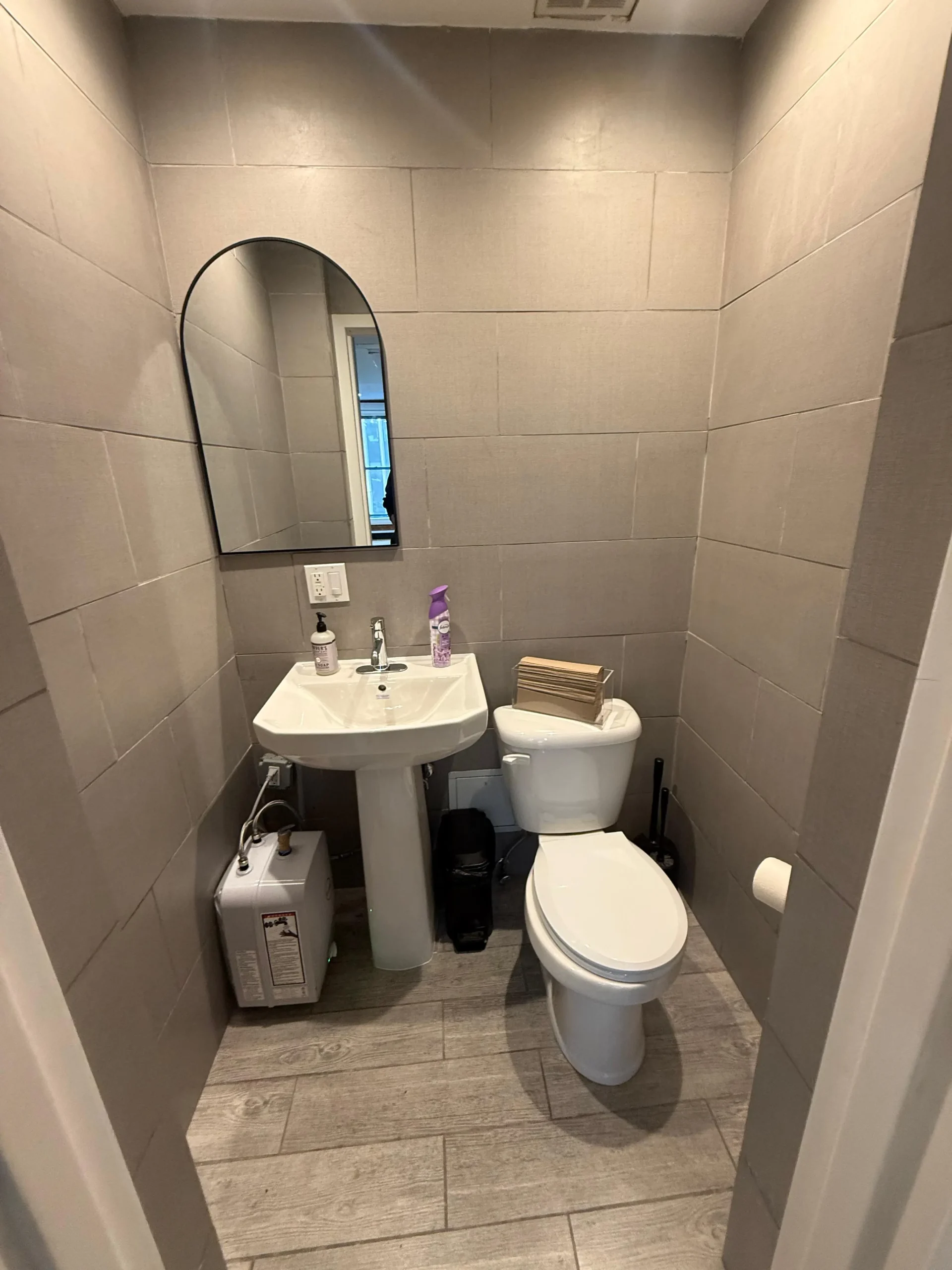
- Handwashing: Sinks require hot and cold running water, liquid soap, and individual disposable towels or mechanical dryers.
- Clean surfaces: The code calls for clean floors, walls, and ceilings.
- Cleaning water: Buildings need utility sinks with running water for washing equipment, along with hot water for cleaning and sanitation.
Owners, managers, and tenants should clarify their respective maintenance responsibilities to ensure these requirements are consistently met.
OSHA 29 CFR 1910.141 Restroom Sanitation Rules
Federal workplace sanitation requirements also apply to commercial restrooms used by employees. Under 29 CFR 1910.141, OSHA addresses toilet facilities, handwashing provisions, and certain waste containers. These requirements establish the sanitary conditions employers must maintain in covered workplaces.
Keeping Restrooms Clean
OSHA requires workplaces to be maintained in a clean and sanitary condition under its applicable sanitation provisions. Employers should establish cleaning procedures that keep restroom fixtures and surfaces sanitary. The standard does not prescribe one universal cleaning frequency for every workplace restroom.
Handwashing Facilities
Under the standard, washing facilities must remain clean and sanitary. Each lavatory requires running water, either tepid or hot and cold, along with hand soap or a similar cleansing agent. Individual towels or an air dryer should also be provided for hand drying.
Restroom Waste Containers
OSHA requires leak-proof waste containers with tight-fitting covers for materials that can rot or decay. Containers may remain uncovered if they stay sanitary without a lid. Waste removal must happen often enough to prevent health hazards.
EPA Rules for Disinfectant Use
In busy NYC commercial buildings, restroom sinks, toilet handles, door locks, and other frequently touched surfaces require careful disinfection. The EPA regulates antimicrobial pesticides, including disinfectants marketed with claims about killing specific germs. Each EPA-registered product label identifies its approved uses, target organisms, application instructions, and required contact time. Building managers and commercial janitorial services should select products appropriate for the surfaces and sanitation needs of their facilities.
Cleaning staff also have to remove visible dirt and grime before applying disinfectant. Surfaces must stay wet for the full contact time listed on the label. Following these directions helps maintain cleaner, more hygienic restrooms in NYC offices, retail properties, and other commercial buildings.
Recommended Restroom Cleaning Practices for NYC Commercial Buildings
Keeping shared washrooms sanitary takes a consistent approach to cleaning, disinfection, and waste handling. Each task has its place, from removing soil around fixtures to disinfecting contact points and dealing with waste safely. For NYC commercial buildings, a clear cleaning routine helps staff follow these steps consistently and maintain appropriate sanitation standards.
Cleaning Toilets, Urinals, Sinks, and Faucets
Daily use leaves urine deposits, soap residue, water marks, and grime on restroom fixtures. Cleaning routines in NYC commercial buildings work best when each fixture receives attention during scheduled maintenance. Staff can focus on these areas:
- Toilet bowls and urinals: Remove urine stains, deposits, and buildup from rims, drains, and exterior surfaces.
- Sinks and faucets: Clean basin surfaces, drains, faucet bases, and surrounding areas to remove soap residue and grime.
- Fixture condition: Check for persistent stains, leaks, damaged surfaces, and blocked drains that require maintenance beyond routine cleaning.
Disinfecting High-Touch Surfaces
Shared touchpoints such as door handles, flush controls, and stall locks deserve attention throughout the cleaning shift. In commercial buildings, staff can prioritize these areas based on restroom traffic and how often surfaces are handled. Written checklists help janitorial teams record completed work and flag busy areas for additional attention.
Preventing Cross-Contamination During Cleaning
Sanitation procedures for NYC commercial buildings need to prevent germs from spreading between restroom fixtures during routine maintenance. Using contaminated cloths, mop heads, or gloves on multiple surfaces undermines cleaning efforts and compromises hygiene. Written procedures help janitorial staff separate cleaning tasks and handle equipment correctly.
| Cross-contamination risk | Prevention measure |
| Same cloth used on toilets and sinks | Use separate cloths for each area |
| Soiled mop heads reused | Clean, disinfect, or replace mop heads |
| Contaminated gloves used across areas | Change gloves and perform hand hygiene |
| Dirty equipment stored improperly | Clean and dry tools before storage |
Maintaining Floors, Removing Waste, and Controlling Odors
Clean floors, timely waste removal, and regular spill cleanup help maintain hygienic conditions in NYC commercial restrooms. Staff should empty bins, replace soiled liners, and remove debris as part of routine upkeep. Cleaning urine residue, drain buildup, and trapped moisture also helps eliminate unpleasant odors at their source.
Restocking Essentials
Commercial buildings in New York City must provide essential handwashing supplies to support proper restroom hygiene. NYC Health Code § 131.09(d)(2) specifically requires liquid soap and suitable hand-drying facilities at handwashing sinks. Routine checks help keep these essential supplies available:
- Soap dispensers: Keep liquid soap available and refill dispensers before they run empty.
- Toilet paper: Replenish rolls and maintain supplies for restroom users.
- Hand-drying facilities: Provide disposable towels or functioning mechanical hand dryers.
- Dispenser condition: Check for blockages, leaks, or damage that prevents access to supplies.
How Often Should Commercial Restrooms Be Cleaned?
Routine restroom cleaning removes everyday dirt, but grime can gradually accumulate around grout lines, behind fixtures, and in other hard-to-reach areas. Deep cleaning addresses this buildup and helps maintain sanitary conditions in NYC commercial properties. The ideal interval depends on restroom traffic, property type, and specific hygiene requirements. Use the following estimates to plan a suitable deep cleaning schedule for different commercial properties:
| Property type | Estimated deep cleaning frequency |
| Corporate offices | Every 1–2 months |
| Retail stores and shopping centers | Every 2–3 months |
| Medical and healthcare offices | Based on infection-control protocols and patient volume |
| Schools and educational institutions | During school breaks or other low-occupancy periods |
| Multi-tenant commercial properties | Every 1–3 months, depending on shared restroom usage |
These intervals are general planning estimates, not NYC-mandated schedules. High-traffic restrooms and healthcare settings may require more frequent deep cleaning based on their sanitation protocols and actual conditions.
When Do NYC Businesses Need Professional Restroom Cleaning?
Maintaining commercial washrooms becomes more challenging when routine upkeep no longer delivers the expected results. Stubborn buildup, renovation work, and limited in-house resources make outside help a practical option. These situations help NYC businesses decide when to hire professional cleaners:
- Persistent Buildup: Stubborn deposits in grout, corners, and hard-to-reach areas require specialized cleaning methods.
- Post-Renovation Cleanup: Construction dust, adhesive residue, and leftover materials often call for detailed cleaning before reopening.
- Repeated Complaints: Ongoing concerns about restroom condition indicate that current cleaning methods are falling short.
- Limited Staff or Equipment: Outsourcing helps when in-house teams lack the resources or training for demanding cleaning tasks.
- Upcoming Inspections or Visits: Professional cleaning prepares restrooms for inspections, client visits, and major business events.
Keep Your Commercial Restrooms Clean with American Janitorial Services NYC
Effective commercial building cleaning helps NYC businesses maintain sanitary restrooms and meet applicable sanitation standards. Consistent maintenance keeps shared facilities clean, presentable, and ready for daily use. Professional support also helps address stubborn buildup and demanding cleaning requirements. At American Janitorial Services NYC, we provide dependable commercial cleaning tailored to your property’s needs. Our team uses professional equipment and proven methods to maintain clean, presentable restrooms across NYC. Contact us today to discuss your cleaning needs and request a quote.
Frequently Asked Questions
Are there specific restroom sanitation rules for NYC commercial buildings?
Yes, NYC Health Code § 131.09 establishes sanitation and maintenance requirements for commercial buildings, including toilet facilities, floors, and general cleanliness. OSHA also sets workplace sanitation requirements for employee restrooms under 29 CFR 1910.141. Applicable requirements depend on the building and how its facilities are used.
Does NYC law require businesses to provide soap and hand-drying supplies?
NYC Health Code § 131.09(d)(2) addresses handwashing provisions, including liquid soap and suitable hand-drying facilities at required sinks. Businesses covered by this provision need to keep these supplies available for users. Managers can incorporate dispenser checks into routine restroom maintenance.
How often should commercial restrooms be cleaned?
Most commercial restrooms benefit from at least daily cleaning, while busy locations often require multiple cleaning visits. Employee count, visitor traffic, operating hours, and restroom conditions all affect the ideal schedule. Additional inspections between cleanings help identify problems before they become noticeable to users.
What does commercial restroom cleaning include?
Routine restroom cleaning generally covers toilets, urinals, sinks, faucets, mirrors, floors, and waste bins. Staff also disinfect shared contact points and check that essential supplies remain available. Deep cleaning addresses accumulated grime in areas that receive less attention during daily maintenance.
How can cleaning staff prevent cross-contamination?
Separate cloths and tools help prevent contamination from spreading between toilets, sinks, and other restroom areas. Staff also need to change contaminated gloves, perform hand hygiene, and clean equipment properly after use. Written procedures help keep these practices consistent across shifts.