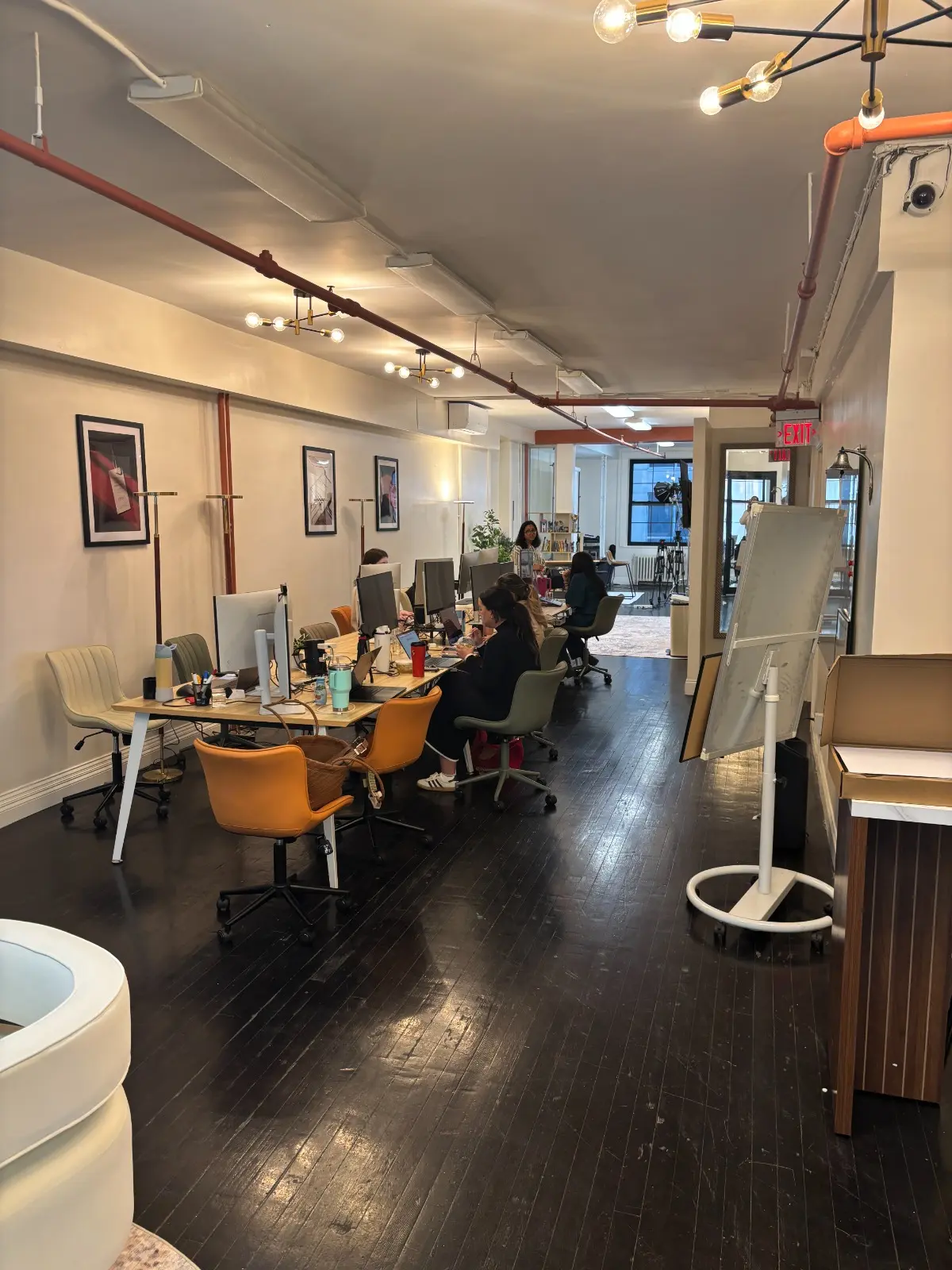
Monday morning in a Manhattan co-working space brings a line at the coffee machine, a startup team claiming the conference room, and a steady stream of guests signing in at the front desk. By Wednesday, a different mix of freelancers, remote employees, and small teams may fill the same desks, kitchens, and restrooms. Keeping that space clean is harder than cleaning a traditional office. No single company controls the way the space gets used, and the people using it change from day to day.
Rotating members, shared hot desks, and busy kitchens give NYC co-working spaces cleaning challenges that private offices rarely face. Restrooms used by several companies, strict city waste rules, and 24-hour access add more mess while leaving fewer quiet hours to clean. Professional co-working space cleaning in NYC handles these problems with daytime touch-ups, thorough after-hours cleaning, and a schedule built around member traffic.
Cleanliness also affects the business side of a co-working space. Members compare spaces before they renew, and prospects notice small details on tours. One sticky kitchen counter or overflowing trash bin during a walkthrough can cost an operator a new membership. Spaces that stay clean between visits give members one less reason to look elsewhere..
What Makes NYC Co-Working Spaces Hard to Keep Clean
Co-working spaces combine the traffic of a hotel lobby with the daily use of an office. Flexible workspace covers a large footprint in the city, and New York City’s coworking inventory edged down slightly to 15.2 million square feet during the second quarter of 2026.
Most of that space serves many companies at once. Members come and go on flexible schedules, operators host events and tours, and community areas stay busy from early morning until late evening. Cleaning plans built for a single-tenant office miss the pace and variety of this kind of use.
-
Constant Member Turnover and Guest Traffic
Day passes, flexible memberships and guest visits mean the people using a co-working space change daily. New members do not always know the house rules for dishes, trash or desk cleanup, and guests track in dirt from crowded sidewalks and subway stations.
Entryways, reception areas and lounges take the heaviest wear. These areas need several light cleanings during the day, along with vacuuming, mopping and glass cleaning at night, to stay presentable for tours and new arrivals.
-
Shared Desks and High-Touch Surfaces
Hot desks and shared equipment pass from person to person throughout the day. Germs spread fast in this setting, and a tracer virus placed on a single office doorknob or tabletop showed up on 40 to 60% of employees within two to four hours. These surfaces need the most frequent disinfection:
- Hot desk tops and desk chairs
- Shared keyboards, monitors and docking stations
- Door handles, push plates and elevator buttons
- Printer and copier controls
- Phone booth handles and seating
- Light switches and conference room remotes
Frequent disinfection of these surfaces protects members during cold and flu season. Nightly desk cleaning also gives the next morning’s members a fresh, ready workstation.
-
Busy Kitchens and Coffee Stations
Shared kitchens serve dozens or hundreds of members who all use the same sinks, appliances and counters. Two problems come up again and again in these spaces.
Spills, Dishes and Food Waste
Coffee rings, crumbs, sticky counters and abandoned dishes build up quickly when no one owns the cleanup. Food waste left in open bins attracts pests, which is a serious risk in NYC buildings. Several kitchen resets during the day and a full clean at night keep counters, sinks and floors under control.
Refrigerators, Microwaves and Coffee Machines
Shared refrigerators fill with forgotten lunches, and microwaves collect splatter after the lunch rush. Coffee machines, water dispensers and their drip trays also need regular cleaning to prevent buildup and odors.
Weekly fridge cleanouts with a posted policy help members know when staff will clear unlabeled food. Clear rules reduce odors and free up shelf space for everyone.
-
Restrooms Shared by Multiple Companies
Restrooms in co-working spaces serve more people per fixture than restrooms in most private offices. Reliable daytime checks cover these steps in order:
- Restock toilet paper, paper towels and soap
- Empty trash and sanitary bins
- Wipe sinks, counters and mirrors
- Dry and spot-mop wet floors
- Check fixtures for clogs or leaks and report problems
Nightly cleaning then disinfects toilets, urinals, fixtures and partitions from top to bottom. Together, daytime checks and nightly cleaning keep restrooms fresh for all the companies sharing them.
-
Strict NYC Waste and Recycling Rules
New York City requires all businesses to separate recyclables and follow strict rules for setting out trash. Co-working spaces generate coffee cups, food scraps, paper, cardboard deliveries and packaging from many members at once, which makes correct sorting harder.
Mistakes carry a cost, with separation violations starting at $100 for the first offense and reaching $400 for repeat violations. Clearly labeled bins, regular emptying and nightly sorting checks help a co-working space stay compliant and keep trash from overflowing in shared areas.
-
Limited Cleaning Windows in 24-Hour Access Spaces
Many NYC co-working spaces give members access early in the morning, late at night or around the clock, which leaves few fully empty hours for deep cleaning.
On a typical Thursday night, a few members may still be working in the lounge at 11 p.m. while another arrives at 6 a.m. for a call with a London client. Crews in this situation clean in sections, use quieter equipment and post clear notices about which zones are closed for cleaning. Heavy tasks such as floor scrubbing and carpet cleaning fit best into the quietest hours, often after midnight or on weekends.
-
Design-Heavy Interiors and Mixed Surfaces
Co-working operators invest in design to attract members, and those finishes need different cleaning methods. These surfaces require the most care:
- Glass Partitions and Phone Booths: Glass walls show fingerprints and smudges quickly in high-traffic areas. Streak-free cleaning keeps meeting rooms and booths looking open and bright.
- Lounge Upholstery and Soft Seating: Sofas, armchairs and cushions absorb spills, oils and odors from constant use. Regular vacuuming and periodic upholstery cleaning extend their life.
- Carpet and Area Rugs: Carpets in walkways and lounges trap grit tracked in from city streets. Scheduled deep cleaning removes embedded dirt that daily vacuuming leaves behind.
- Hard Floors and Polished Concrete: Hard floors need the right cleaners to avoid dulling or streaking. Nightly dust mopping and periodic floor care protect the finish.
- Plants, Shelving and Decor: Open shelving, planters and decorative pieces collect dust that members notice. Weekly detailing keeps these features looking cared for.
The wrong product or method on these finishes can cause damage that costs more to repair than the cleaning itself. Matching the method to the material protects the operator’s investment in design.
Lounge sofas, entry carpets and glass phone booths often show wear long before the rest of the space. Our team offers carpet, upholstery, floor and window cleaning, and our crews bring their own professional-grade tools and products to the job. Operators keep one cleaning partner for the whole space, and they avoid juggling separate vendors for floors, fabrics and glass.
-
Meeting Rooms and Event Spaces That Turn Over Quickly
Meeting rooms and event spaces often host back-to-back bookings, from a morning pitch to an evening networking event. Leftover cups, food trays, whiteboard marks and rearranged furniture need clearing before the next group arrives.
Quick turnovers between bookings reset tables, chairs, whiteboards and trash. After large events, a deeper cleaning of floors, restrooms and kitchen areas brings the space back to member-ready condition by morning.
Member Self-Cleaning vs Professional Co-Working Cleaning
Some operators expect members and community staff to handle cleanup, while others hire a professional cleaning team. Comparing both approaches shows which one keeps a shared workspace in better condition.
Relying on Members and Community Staff
House rules, wipe stations and community managers can handle small daily tasks such as wiping a desk or loading a dishwasher. This approach costs little, but results depend on member habits and staff time. Community managers who spend hours cleaning have less time for member service, tours and events.
Professional Cleaning Crews
Trained crews follow a set checklist, use the right products for the space’s finishes and work after hours without disturbing members. Professional teams also handle restrooms, floors, carpets and waste sorting, tasks that members and community staff should not manage alone.
Which Approach Works Better
Professional cleaning wins for nearly all NYC co-working spaces, since shared restrooms, kitchens and high-touch surfaces need consistent attention. Member habits still matter, and wipe stations and clear kitchen rules support the professional crew between visits. Operators who invest in co-working space cleaning in NYC free their community teams to focus on members.
Cleaning Schedule for a Busy Co-Working Space
Consistent results come from a schedule that matches tasks to the right time of day. Operators planning co-working space cleaning in NYC can build around these four cleaning layers.
Throughout the Day
Light touch-ups keep the space presentable during working hours. Crews or attendants reset kitchens, restock restrooms, empty full bins and wipe high-touch surfaces.
Nightly
Nightly cleaning covers the heavy work that cannot happen with members present. Core nightly tasks include:
- Disinfecting desks, chairs and shared equipment
- Cleaning and disinfecting restrooms
- Vacuuming carpets and mopping hard floors
- Cleaning kitchen counters, sinks and appliances
- Taking out sorted trash and recycling
Crews finishing these tasks overnight leave the space ready for early arrivals. The nightly cleaning also prevents daytime messes from carrying into the next morning.
Weekly
Weekly tasks reach details such as refrigerator cleanouts, glass partitions, baseboards, shelving and appliance interiors.
Monthly or Quarterly
Deep cleaning of carpets, upholstery and hard floors removes buildup that daily care leaves behind. Seasonal window cleaning keeps entrances and street-facing glass bright for members and visitors.
Membership levels rarely stay the same from one quarter to the next, which makes a fixed cleaning plan hard to rely on. Our recurring plans range from daily cleaning to weekly, bimonthly and monthly deep cleaning, and clients can change their plan after signing. Operators adjust coverage as membership grows or shifts, and they keep the same standard throughout.
Who Is Responsible for Cleaning in a Co-Working Space?
The operator usually handles cleaning of shared areas, including kitchens, restrooms, lounges and meeting rooms. Members are typically expected to tidy their own desks and dishes. Private offices inside the space may follow separate terms, which membership agreements should spell out.
Should Co-Working Spaces Be Cleaned During Business Hours?
Yes, light cleaning during business hours keeps kitchens, restrooms and high-touch surfaces usable. Heavy work such as floor scrubbing, carpet cleaning and full disinfection is best done after hours, when members are gone and the noise will not disrupt calls or meetings.
Clean Shared Workspaces That Keep Members Coming Back
NYC co-working spaces face cleaning challenges that private offices rarely deal with, from rotating members and hot desks to shared kitchens, multi-company restrooms, strict waste rules and 24-hour access. Design-heavy finishes and fast-turning meeting rooms add more work to the list. A professional crew working on a layered schedule handles these challenges without disrupting members, which protects both member health and the operator’s reputation.
That reputation also depends on choosing a cleaning partner with a proven record in the city. American Janitorial Services NYC has kept commercial properties across all five boroughs clean since 2007 and has earned three Angi Super Service Awards along with a 5.0 Google rating. Our co-working cleaning covers shared desks, kitchens, restrooms, lounges and meeting rooms on a schedule set around the operator’s busiest days. Contact our team to plan cleaning around the busiest days of the week.
Book co-working cleaning with American Janitorial Services NYC today and give members a workspace they are proud to bring clients into.
FAQs
How Can Co-Working Spaces Prevent Pests in Shared Kitchens?
Storing snacks in sealed containers, removing food waste daily and enforcing a weekly fridge policy cut off food sources. Nightly cleaning under appliances and along baseboards removes crumbs. A licensed pest control partner handles regular inspections and treatment.
What Cleaning Products Are Safe for Co-Working Spaces With Many Members?
Plant-based, non-toxic and low-odor products work well for everyday cleaning in shared spaces. EPA-registered disinfectants should still be used on high-touch surfaces. This mix keeps the space clean without strong chemical smells bothering members.
How Should Hot Desks Be Cleaned Between Users?
Members can use wipe stations to clean the desk surface, keyboard and mouse before and after use. Nightly disinfection by the cleaning crew then covers desks, chairs and shared equipment thoroughly, which keeps hot desks ready for the next morning.
Do Co-Working Spaces Need Different Cleaning in Winter?
Yes, winter brings salt, slush and grit tracked in from NYC sidewalks, which damages floors and carpets. Entry mats, extra mopping and more frequent carpet care protect flooring. Flu season also calls for more frequent disinfection of high-touch surfaces.
How Much Does Co-Working Space Cleaning Cost in NYC?
The cost depends on square footage, cleaning frequency, the number of restrooms and kitchens, and extra services such as carpet or upholstery cleaning. Most commercial cleaners provide a quote after a walkthrough, which prices the actual scope of work.