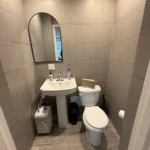
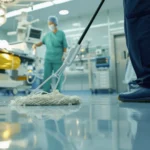
Moving into a new office or handing over the old one? Both need cleaning, but not necessarily the same kind.
Moving into a new office or leaving an old one brings cleaning problems that ordinary daily service may miss. Empty cabinets hold dust, floors show marks where desks once stood, and restrooms may need attention before the space changes hands. Move-in cleaning prepares the new workplace for employees, while move-out cleaning prepares the former office for handover. Businesses booking move in and out office cleaning in NYC should agree on the rooms, surfaces, and extra tasks before anyone arrives. The right scope depends on what is staying, what was removed, and the condition of each office.
What Is Included in Move-In Office Cleaning?
Move-in office cleaning is a one-time cleaning service done before employees move into a new workspace. It removes dust, dirt, stains, and marks left by previous occupants. Cleaning usually covers empty workstations, cabinets, floors, restrooms, and kitchenettes. This helps make the office clean and comfortable for employees from their first day.
Removing Dust, Dirt, and Marks Left by Previous Occupants
An office can look empty without being clean. Move-in crews usually focus on dirt left behind and surfaces that will soon become difficult to reach:
- Window ledges and frames: Remove settled dust and marks around accessible interior window surfaces, sills, and adjoining trim.
- Doors and touchpoints: Wipe door faces, handles, switches, and other reachable surfaces where fingerprints or smudges remain.
- Baseboards and corners: Vacuum or wipe dust along floor edges and around spaces formerly covered by furniture.
- Walls and partitions: Remove ordinary marks only where cleaning is safe for the finish; damaged paint is a repair matter.
- Light fixtures and vents: Clean accessible exterior surfaces within the agreed scope, without opening electrical or ventilation equipment.
Arrange move-in cleaning after the previous occupants have left and before new furniture arrives. Recent renovation work may leave construction dust that requires a separate cleaning service.
Cleaning Empty Workspaces, Cabinets, and Storage Areas
Empty cupboards and fixed workstations are easier to reach before desks and files arrive. Ask the cleaning provider to identify exactly which interiors and surfaces are included:
- Empty built-in cabinets and drawers: Wipe shelves, inner faces, handles, and visible edges after all belongings are removed.
- Fixed desks and reception counters: Clean accessible tops, fronts, and corners that will remain in the new office.
- Closets and storage rooms: Remove dust from empty shelves and exposed floors before supplies are stored.
- Existing furniture or appliances: Confirm in advance whether surfaces, drawers, or appliance interiors are part of the booking.
Clear out documents and confidential materials beforehand. Cleaning staff should not have to decide which papers belong to the previous tenant or whether a locked cabinet can be opened.
Cleaning Floors, Interior Glass, Restrooms, and Kitchenettes
| Office area | Typical cleaning tasks | Confirm separately |
| Carpets and hard floors | Vacuum carpets; sweep and mop suitable hard surfaces | Shampooing, extraction, waxing, and stain treatment |
| Interior glass | Wipe reachable partitions, doors, and panels | Exterior windows or difficult adhesive removal |
| Restrooms | Clean toilets, sinks, counters, mirrors, and touchpoints | Special disinfection requirements and supply restocking |
| Kitchenettes | Wipe counters, sinks, cabinets, and agreed appliances | Refrigerator and microwave interiors |
Match the task to the surface rather than assuming one product suits everything. CDC facility-cleaning guidance recommends cleaning high-touch surfaces and cleaning before disinfection when disinfection is appropriate. Make sure the scope specifies whether the team is only wiping appliance exteriors or also cleaning shelves and seals inside.
When NYC Offices and Commercial Buildings Need Move-In Cleaning
Newly Leased Offices and Vacant Commercial Suites
Move-in cleaning is helpful when an office has been vacant, recently maintained, or prepared for a new lease. The condition determines the cleaning work:
- Vacant private office: Dust ledges and storage, clean exposed floors, and inspect restrooms before daily use begins.
- Recently maintained suite: Remove ordinary footprints and marks, and identify any leftover construction debris requiring specialist cleaning.
- Entire office floor: Plan cleaning by room or zone, including reception, meeting rooms, pantry areas, and restrooms.
Best scheduling point:
After the landlord provides access and maintenance work is finished, but before desks and equipment are delivered. Confirm water, electricity, and approved building access for the cleaning team.
Previously Occupied Offices and Shared Workspaces
A suite may already have routine cleaning but still need a move-in service when responsibility changes. Decide which parts are yours to clean before requesting a quote:
- Private rooms: Include empty cupboards, shelving, fixed desks, and exposed floor edges inside the leased space.
- Shared facilities: Ask management whether building cleaners already maintain corridors, washrooms, and common kitchenettes.
- Remaining furniture: Identify workstations, cabinets, or appliances that the previous occupant is leaving for the new team.
- Access boundaries: Tell cleaners which neighboring rooms remain occupied and must not be entered.
This keeps the job focused on your space and prevents paying twice for shared cleaning while missing private storage.
What Is Included in Move-Out Office Cleaning?
Move-out office cleaning is done after a business removes its furniture and belongings, usually before handing the space back to the landlord. It focuses on leftover dust, moving debris, dirty floors, and areas previously covered by furniture. The cleaning also covers restrooms, storage areas, and other agreed surfaces to leave the office in the required handover condition.
Removing Leftover Trash, Dust, and Moving Debris
Furniture removal often exposes dust and leaves behind tape, packaging, and small rubbish. Separate items that an office cleaning team can handle from those needing dedicated removal:
- Ordinary loose waste: Paper scraps, small rubbish, and bin contents that fall within the agreed cleaning service.
- Packing material: Cardboard boxes and packing paper separated for the building’s commercial recycling arrangements.
- Moving marks: Tracked-in dirt, light scuffs, tape residue, and dust along routes used by movers.
- Bulky items: Desks, chairs, old shelving, monitors, and printers that need a separate removal or disposal service.
New York City’s Department of Sanitation requires businesses to separate recyclable materials, including paper and cardboard. Confirm which team takes the waste to the designated collection location and which removal costs fall outside the cleaning quote.
Cleaning Vacated Workstations, Cabinets, and Hidden Areas
Once desks and filing cabinets are gone, cleaners can reach areas that were covered for months or years. Have them inspect and address these specific locations:
- Former desk positions: Vacuum beneath workstations, along cable routes, and around the edges where furniture met the floor.
- Cabinet interiors: Wipe empty shelves and drawers, including inner corners and handles on built-in storage.
- Behind removed furniture: Clean exposed wall edges, baseboards, and accessible flooring behind filing cabinets or partitions.
- Fixed reception and meeting areas: Wipe counters, shelving, and remaining surfaces that stay with the property.
Schedule this after the movers finish. Furniture left in place can hide dirt, and later removal can leave fresh debris on floors that were already cleaned.
Preparing Floors, Restrooms, and Other Areas for Office Handover
Before the landlord inspects the office, make sure each agreed area has been addressed. Use a final handover check rather than relying only on a general note saying “cleaned”:
- Floors: Vacuum or mop as appropriate and identify stains that need a separate treatment.
- Restrooms and kitchenettes: Clean fixtures, counters, mirrors, sinks, and touchpoints; empty ordinary waste.
- Interior glass and doors: Remove accessible smudges, fingerprints, and suitable surface marks.
- Remaining cabinets and counters: Check empty storage and fixed fixtures that are staying with the office.
- Final walkthrough: Compare the result with the agreed cleaning scope and the lease’s actual handover language.
Where disinfection is included, cleaners should follow the product’s EPA label directions, including the required surface contact time. Cleaning cannot repair damaged floors or remove alterations that the lease separately requires a tenant to address.
When NYC Offices and Commercial Buildings Need Move-Out Cleaning
Office Relocations and End-of-Lease Handover
A relocating business usually needs the final cleaning after furniture removal and before handing back the keys. This order gives the crew access to the full floor and prevents movers from bringing in dirt afterward. Check the following before booking:
- Handover date: Leave enough time for cleaning and a final inspection after the moving crew finishes.
- Lease wording: Confirm what “broom-clean” or any additional cleanliness terms mean in the actual agreement.
- Repair duties: Keep cleaning separate from repairing damage or removing installed alterations.
- Access rules: Arrange loading access, service elevators, and any required building permission.
A New York commercial lease decision illustrates how handover terms can depend on specific contract language. Do not assume that ordinary cleaning automatically meets every lease obligation.
Vacated Office Suites and Multi-Tenant Commercial Buildings
Building managers often arrange one-time cleaning after a tenant vacates a suite within a larger property. The main task is defining the space being handed over, not cleaning every shared area again:
- Vacant suite: Include its private offices, reception, closets, kitchenette, and dedicated restrooms.
- Shared facilities: Confirm whether normal building service already covers common corridors, elevators, and shared washrooms.
- Access arrangements: Identify permitted work hours, service-elevator use, and where collected waste should go.
- Responsibility: Confirm whether the departing tenant, building manager, or incoming occupant has arranged the cleaning.
Clear room labels and a suite-specific list help the team avoid entering occupied neighboring offices or missing storage at the back of the vacated unit.
How Move-In and Move-Out Office Cleaning Difference
| Cleaning aspect | Move-in office cleaning | Move-out office cleaning |
| Purpose | Prepare the workplace for incoming employees | Clean the vacated office before handover |
| Main focus | Old dust, empty storage, marks, and usable facilities | Packing residue, exposed floor areas, and leftover waste |
| Best timing | After the old occupant leaves, before new furniture arrives | After movers finish, before the landlord inspects |
| Final check | Office is clean for staff to begin using | Agreed handover cleaning tasks are complete |
Moving between two addresses may require both services, but the scope need not be identical. One office might need ordinary surface work, while the other needs intensive floor cleaning or additional waste removal. Provide separate task lists for the two locations rather than one generic package.
Move in and out office cleaning in NYC: Costs and Pricing Factors
Move-in and move-out office cleaning costs depend on the office size, condition, and work required. One-time deep cleaning may cost more because it often involves detailed cleaning of empty rooms, cabinets, floors, and other areas.
| Cleaning service | Published estimated cost |
| Standard commercial office cleaning | $0.10–$0.20 per sq. ft. |
| One-time commercial deep cleaning | $300–$1,500+ per job |
| Carpet cleaning or floor waxing | $0.10–$0.40 per sq. ft. |
| Interior window cleaning | $2–$10 per window |
These are general U.S. market estimates, not fixed NYC move-in/move-out prices. Office condition, the number of restrooms, building access, and extra services can affect the final quote. Furniture removal and large waste disposal may also need separate arrangements. Before booking, share your office size, cleaning requirements, and moving date with American Janitorial Services NYC to request an accurate estimate.
Bottom Line: Know What’s Included Before Scheduling Office Cleaning
Move-in cleaning prepares rooms and facilities for a new team; move-out cleaning addresses the dirt and debris left before an office is returned. Both can cover workspaces, cabinets, floors, interior glass, restrooms, and kitchenettes, but only the agreed scope tells you exactly what will be done. Time the service for when the rooms are empty and leave space for a final check. American Janitorial Services NYC provides office and move-in/move-out cleaning for commercial properties. To arrange move in and out office cleaning in NYC, contact American Janitorial Services NYC with your office details and required cleaning work.
Frequently Asked Questions
Is Move-In and Move-Out Office Cleaning Different From Regular Office Cleaning?
Yes. Routine janitorial service maintains an occupied workplace, while move cleaning takes advantage of empty cabinets, exposed floor edges, and cleared storage. It may also focus on a particular handover condition. Ask for a one-time scope rather than assuming the regular office checklist covers everything.
Does Office Move-In Cleaning Include Cabinets and Appliance Interiors?
Sometimes. Empty shelves and drawers may be included when agreed, while refrigerator and microwave interiors can require extra time or a separate task. Identify each appliance that remains and confirm whether cleaning covers the outside, inside, or both. Empty personal items before the team arrives.
Are Carpet Shampooing and Window Cleaning Included?
Not automatically. Vacuuming and reachable interior glass cleaning may be part of the basic scope, but carpet extraction, floor treatment, and exterior windows may be extra. Describe visible stains and where the glass is located. Ask for these treatments to be listed separately if needed.
Does Move-Out Cleaning Include Removing Old Furniture and Equipment?
Usually only by agreement. Small loose rubbish is different from heavy desks, cabinets, printers, and old electronics. Arrange bulky removal before the cleaning visit and follow the building’s collection rules. That gives cleaners access to the space the furniture previously covered.
What Does Broom-Clean Condition Mean for an NYC Office?
Broom-clean generally refers to space free of personal belongings, rubbish, and loose debris. It does not automatically include carpet shampooing, refinishing, or removing tenant alterations. The actual lease may set additional requirements. Confirm the wording with the landlord before booking the final service.
Should Office Cleaning Be Scheduled Before or After the Movers?
Move-out cleaning is generally best after furniture removal and before handover. Move-in cleaning works best after the previous occupants leave and before the new desks arrive. An empty office lets cleaners reach cabinets, corners, and floor edges. Leave time for a final inspection before either deadline.